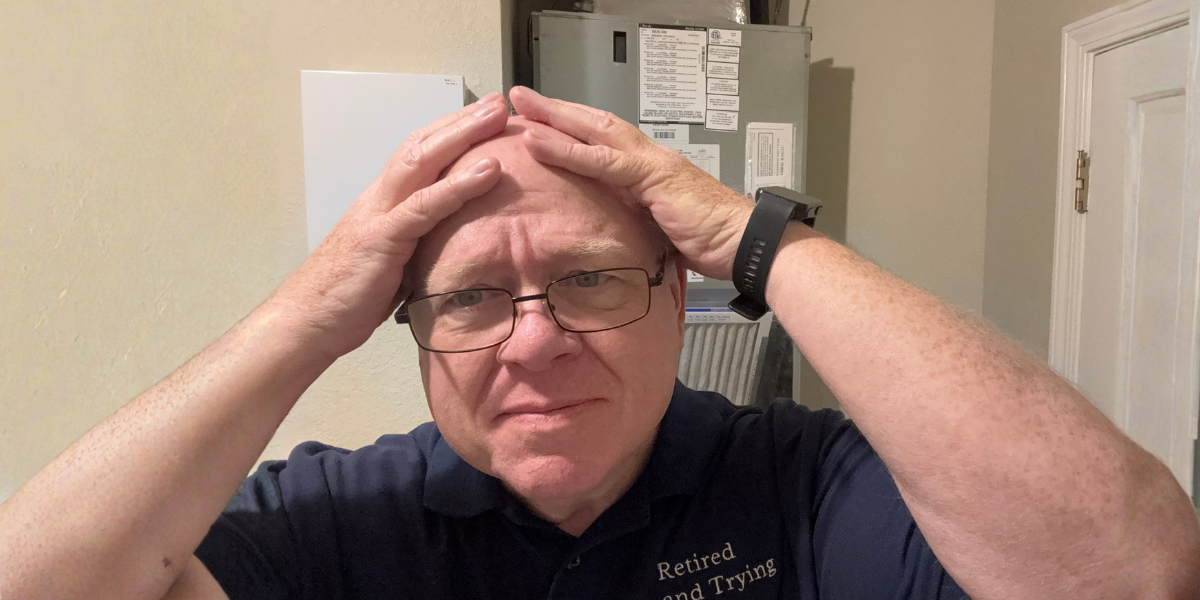
One of the biggest lessons retirement has taught me is this: mistakes become much more expensive.
When you’re working, a bad decision is often just a temporary setback. Another paycheck is coming. You have time to recover. You might not like the mistake you made, but chances are you’ll eventually work your way through it.
Retirement changes that equation.
If you’re living on Social Security, retirement savings, or a pension, every major financial decision carries a little more weight because you don’t have the same margin for error.
That’s something I’ve learned firsthand, and it’s the reason I wanted to make this video.
Watch the video below, then continue reading for some additional thoughts and examples.
Why Retirement Changes the Cost of Mistakes
One thing nobody really prepares you for is that retirement changes the way you make decisions.
When you’re younger, your income is still growing. You have decades of earning potential ahead of you, and even if you make a mistake, time is usually on your side.
Buy the wrong car? You’ll eventually pay it off.
Move to a neighborhood you don’t like? You can save some money and move again.
Spend too much on something you didn’t really need? You tighten your budget for a few months and recover.
Retirement isn’t like that.
A mistake doesn’t necessarily cost more money than it did twenty years ago, but it often has a much longer impact because replacing that money isn’t nearly as easy.
That’s why I believe retirement rewards patience.
The Decisions That Seemed Right at the Time
One thing I’ve learned is that most retirement mistakes don’t start with bad intentions.
In fact, they usually begin with what feels like a perfectly reasonable decision.
I’ve certainly had my share.
Selling My House
Selling my house made sense to me at the time.
I thought I was simplifying my life.
I believed I was making a smart financial move.
Looking back today, I wish I still had that house.
That doesn’t mean selling a house is always the wrong decision. For many retirees, downsizing is exactly the right choice.
What it taught me, however, is that financial decisions aren’t only about dollars and cents. They’re also about how you’ll feel living with that decision years later.
If you’re thinking about downsizing, you may also enjoy reading My Biggest Downsizing Mistake in Retirement and How Downsizing My Life Made Retirement Feel Easier. Those experiences shaped the way I think about housing today.
Selling My Car… Then Buying Another
Not long after that, I convinced myself I really didn’t need a car.
Again, the decision seemed logical.
I would save money on insurance, maintenance, and fuel.
For a little while, it seemed like I had made another smart choice.
Three months later, I bought another car.
What changed?
Reality.
I had underestimated how much freedom and convenience a car gave me in retirement.
That experience reminded me that saving money isn’t always the same thing as improving your quality of life.
Life Doesn’t Stop Happening
One of the proudest moments in my retirement was becoming completely debt-free.
If you’ve ever reached that point, you know how satisfying it feels.
Unfortunately, retirement doesn’t stop unexpected expenses.
My air conditioner failed.
I ended up buying another car.
Before long, I found myself taking out an equity loan to cover those unexpected costs.
Was that part of my original retirement plan?
Not even close.
Sometimes retirement isn’t about making bad decisions.
Sometimes life simply throws expensive surprises your way.
The Money-Making Ideas That Didn’t Work
Like many retirees, I’ve spent years looking for ways to generate extra income.
Some ideas worked for a while.
Most didn’t.
Looking back honestly, I probably spent money pursuing opportunities that never paid for themselves.
That’s not necessarily a reason to stop trying.
In fact, if I had stopped trying altogether, I probably wouldn’t have started this YouTube channel.
Ironically, YouTube became one of the few projects that actually worked.
The lesson isn’t “don’t try.”
The lesson is to be thoughtful before investing your time and money into every new opportunity that comes along.
The Biggest Lesson Retirement Has Taught Me
Today, I rarely make a major financial decision quickly.
If I’m considering moving…
Buying another vehicle…
Starting a business…
Making a large purchase…
Or taking on debt…
I intentionally slow myself down.
I ask questions I didn’t always ask years ago.
- What happens if this doesn’t work?
- Can I comfortably recover from this decision?
- Will I still feel good about this choice five years from now?
Those questions have probably saved me from making additional expensive mistakes.
Sometimes You Just Need Another Perspective
One of the reasons I created the Retired and Trying Companion was because I realized how valuable it is to talk through a retirement decision before making it.
The Companion isn’t there to tell you what to do.
It’s designed to help you think through your options, consider trade-offs, and look at a situation from another angle before making a decision you might regret.
If you’re facing a difficult retirement choice, you can try the Retired and Trying Companion here.
👉 Retired and Trying Companion
Final Thoughts
If retirement has taught me anything, it’s that mistakes aren’t necessarily bigger than they were when I was working.
They’re simply harder to recover from.
That realization has changed the way I approach almost every important decision.
I’ve learned to slow down.
I’ve learned to think things through.
And I’ve learned that sometimes waiting another week before making a decision costs nothing—but making the wrong decision can cost years.
I’d love to hear your thoughts.
What’s one retirement decision you wish you had handled differently?
Leave a comment below. There’s a good chance your experience could help someone else who’s facing the very same decision.
Suggested Internal Links
Naturally weave these into the article where they fit:
